
In today’s fast-paced digital world, businesses must establish a strong online presence to stay competitive. Seo and digital marketing have revolutionized the way brands connect with their audiences, enabling them to reach potential customers across the globe. Whether you’re a startup, small business, or large corporation, leveraging Seo and digital marketing strategies can significantly boost your brand awareness, drive traffic, and increase revenue. This article explores the fundamentals of SEO and digital marketing, its key components, and strategies to achieve success in the online marketplace.”

What is Digital Marketing?
How SEO and Digital Marketing Work Together
Digital marketing refers to the use of online channels, digital technologies, and internet-based strategies to promote products and services. Unlike traditional marketing, which relies on print ads, billboards, and television, digital marketing enables brands to interact with consumers in real time through websites, social media, email, and search engines.
Key Components of Digital Marketing
- Digital marketing consists of various elements that work together to create a successful online marketing campaign. Here are the most crucial components:
Search Engine Optimization (SEO)
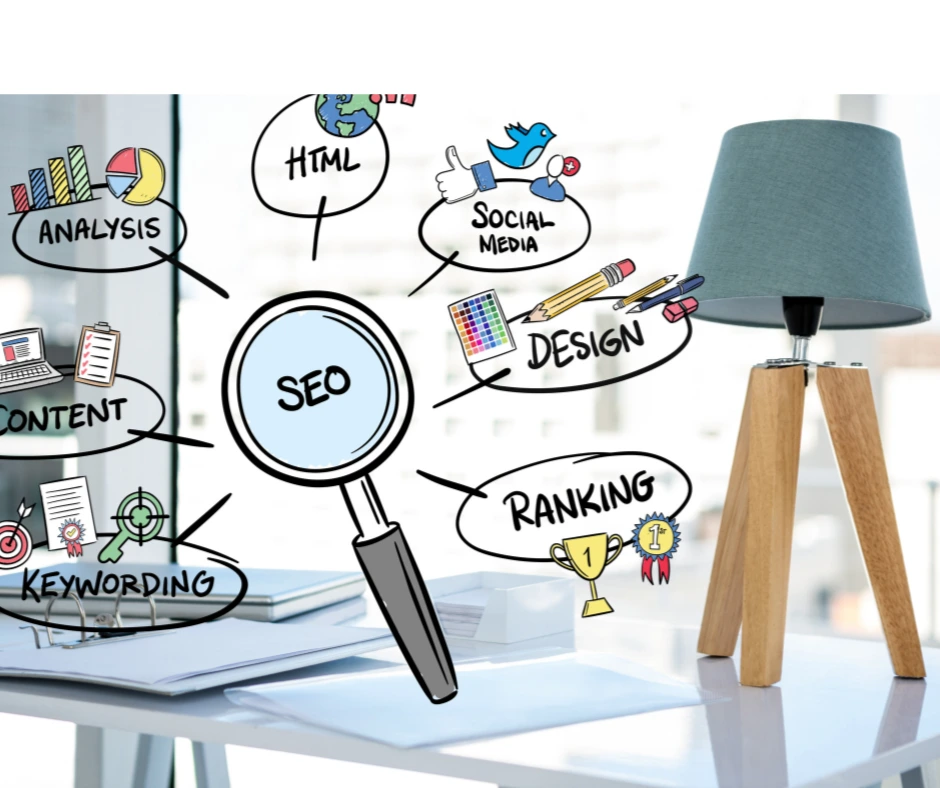
Content marketing is a crucial part of SEO and digital marketing, focusing on creating and distributing valuable, relevant, and consistent content to attract and retain a target audience. Blog posts, videos, infographics, eBooks, and social media content not only enhance brand engagement but also improve SEO rankings, making them essential for a successful digital marketing strategy
Content Marketing
Content marketing is a vital component of SEO and digital marketing, focusing on creating and distributing valuable, relevant, and consistent content to attract and retain a target audience. Blog posts, videos, infographics, eBooks, and social media content play a crucial role in improving SEO performance and enhancing digital marketing efforts, helping businesses reach a wider audience effectively.”
Social Media Marketing
Social media platforms like Facebook, Instagram, Twitter, LinkedIn, and TikTok play a crucial role in SEO and digital marketing, providing businesses with a unique opportunity to engage with their audience. By sharing valuable content, running targeted ad campaigns, and interacting with followers, brands can enhance their digital marketing efforts, increase their online visibility, and strengthen customer relationships
Pay-Per-Click Advertising (PPC)
PPC advertising allows businesses to display ads on search engines and social media platforms, paying only when a user clicks on the ad. Google Ads, Facebook Ads, and Instagram Ads are popular PPC platforms that help businesses drive instant traffic and conversions.
Email Marketing

Email marketing is a direct and cost-effective strategy in SEO and digital marketing, allowing businesses to communicate with potential and existing customers. By sending personalized newsletters, promotional offers, and updates, brands can nurture leads, boost engagement, and drive conversions, making email marketing a powerful tool in a successful digital marketing strategy.
Affiliate Marketing
Affiliate marketing involves partnering with individuals or influencers who promote a brand’s products or services in exchange for a commission. This performance-based marketing strategy is an excellent way to expand brand reach without upfront advertising costs.
Influencer Marketing
Influencer marketing is a powerful strategy in SEO and digital marketing that leverages the credibility and reach of social media influencers to promote a brand. By collaborating with influencers in their niche, businesses can enhance their digital marketing efforts, connect with a highly engaged audience, and gain instant credibility, ultimately driving more traffic and conversions.
Benefits of Digital Marketing
Digital marketing provides numerous advantages that make it a must-have for businesses in the modern era. Some key benefits include:
- Cost-Effective: Compared to traditional marketing, digital marketing is more affordable and offers a higher return on investment (ROI).
- Wider Reach: Digital marketing allows businesses to reach a global audience without geographical limitations.
- Targeted Marketing: Businesses can tailor their marketing efforts to specific demographics, interests, and behaviors.
- Real-Time Analytics: Tools like Google Analytics provide valuable insights into website traffic, user behavior, and campaign performance.
- Improved Customer Engagement: Social media and email marketing enable brands to build direct relationships with customers.
- Higher Conversion Rates: Optimized websites, compelling content, and effective ad campaigns result in better lead generation and sales.
Strategies for Digital Marketing Success
To maximize the benefits of digital marketing, businesses must implement effective strategies. Here are some actionable tips to achieve online success:
Define Your Goals and Audience
Before launching a digital marketing campaign, businesses must set clear objectives. Are you looking to increase brand awareness, generate leads, or boost sales? Identifying the target audience and understanding their preferences will help craft effective marketing messages.
Develop a Strong Website
A website serves as the foundation of digital marketing. Ensure that your website is mobile-friendly, easy to navigate, and optimized for search engines. A fast-loading website with compelling content will enhance user experience and encourage visitors to take action.
Create High-Quality Content
Content is king in digital marketing. Focus on producing valuable, informative, and engaging content that addresses the needs and pain points of your audience. Regularly updating your blog, social media pages, and email newsletters will keep your brand top-of-mind.
Optimize for SEO
Investing in SEO strategies will help improve organic search rankings and drive long-term traffic. Use relevant keywords, optimize meta descriptions, and build high-quality backlinks to enhance visibility.
Leverage Social Media
Engage with your audience on social media platforms by posting regularly, responding to comments, and running ad campaigns. Social media contests, polls, and live sessions can further boost engagement and brand loyalty.
Invest in Paid Advertising
Running PPC campaigns on Google and social media can generate immediate results. Set a budget, target the right audience, and monitor ad performance to maximize ROI.
Utilize Email Marketing
Build an email list and send personalized messages to subscribers. Automated email sequences can nurture leads and drive conversions effectively.
Analyze and Adjust
Regularly monitor the performance of your digital marketing efforts using analytics tools. Identify what works and optimize your strategies accordingly for better results.
Future Trends in Digital Marketing
Digital marketing is constantly evolving, and staying ahead of trends is crucial for long-term success. Some emerging trends include:
- AI and Automation: AI-powered chatbots, content generation, and automated marketing tools will streamline processes and improve efficiency.
- Voice Search Optimization: As more users rely on voice assistants like Alexa and Siri, optimizing content for voice search is becoming essential.
- Video Marketing: Short-form videos on platforms like YouTube Shorts, TikTok, and Instagram Reels are gaining popularity.
- Personalization: Brands that offer personalized experiences and product recommendations will gain a competitive edge.
- Augmented Reality (AR) and Virtual Reality (VR): AR/VR technologies will enhance customer engagement and online shopping experiences.
The Role of AI in SEO and Digital Marketing
Artificial Intelligence (AI) is transforming SEO and digital marketing by automating processes, improving user experience, and enhancing decision-making. AI-powered tools like ChatGPT, Google’s RankBrain, and AI-driven content generators help businesses create personalized marketing strategies.
AI also improves SEO by analyzing search intent, optimizing content, and predicting user behavior. Voice search optimization is another growing trend, with AI assistants like Google Assistant and Alexa changing how users search for information. Marketers must optimize their content for natural language processing (NLP) and long-tail keywords to stay ahead.
The Future of SEO and Digital Marketing
The future of SEO and digital marketing will be shaped by new technologies and changing consumer behavior. Video marketing, interactive content, and automation will continue to dominate. Businesses that focus on mobile-first indexing, high-quality backlinks, and AI-driven analytics will achieve long-term success.
To stay competitive, brands must regularly update their SEO strategies, create valuable content, and leverage digital marketing tools effectively. As search engines evolve, those who embrace innovation will lead the digital space.
Introduction to SEO and Digital MarkeBusinesses use digital marketing to increase their online presence.
- SEO helps websites rank higher on search engines like Google.
- A well-optimized website attracts more visitors and potential customers.
- Digital marketing includes various strategies to promote brands.
The Importance of SEO in Digital Marketing
- SEO improves website visibility in search engine results.
- Keyword research helps businesses target the right audience.
- On-page and off-page SEO are essential for better rankings.
- Search engines prioritize mobile-friendly and fast-loading websites.
- Quality backlinks boost a website’s authority and credibility.
Key Components of SEO
- On-page SEO includes optimizing title tags, meta descriptions, and URLs.
- Off-page SEO focuses on backlinks and domain authority.
- Technical SEO ensures a website is properly indexed by search engines.
- Content quality is a major factor in SEO success.
- Google’s algorithms determine search rankings based on various factors.
The Role of Keywords in SEO
- Keywords help search engines understand website content.
- Long-tail keywords improve the chances of ranking in search results.
- Keyword stuffing can negatively impact SEO rankings.
- SEO tools like Google Keyword Planner help find relevant keywords.
- Proper keyword placement in headings and body text boosts SEO.
Content Marketing and SEO
- Content marketing is a key aspect of digital marketing.
- Blogs, articles, and videos improve user engagement.
- Google ranks websites higher when they have high-quality content.
- Infographics simplify complex information for audiences.
- Storytelling in content marketing increases audience retention.
Social Media Marketing and SEO
- Social media platforms help businesses connect with customers.
- Facebook, Instagram, and LinkedIn boost brand visibility.
- Social media engagement can drive traffic to websites.
- Hashtags improve discoverability on platforms like Twitter and Instagram.
- Sharing SEO-friendly blog posts on social media increases reach.
The Role of Backlinks in SEO
- High-quality backlinks improve a website’s ranking.
- Guest blogging helps businesses acquire quality backlinks.
- Internal linking enhances website navigation and SEO.
- Broken link building is a strategy to gain backlinks.
- Google penalizes spammy or low-quality backlinks.
Local SEO and Its Benefits
- SEO is a crucial part of digital marketing that helps websites rank higher in search engines.
- Without SEO, digital marketing strategies may not generate organic traffic.
- Keyword research is essential for both SEO and digital marketing success.
- Digital marketing includes SEO, social media marketing, and paid ads to increase brand visibility.
- On-page and off-page SEO techniques improve digital marketing performance.
- A strong digital marketing strategy includes SEO, content marketing, and PPC campaigns.
- SEO helps digital marketers drive organic traffic, reducing the cost of paid advertising.
- Content marketing and SEO work together to enhance digital marketing efforts.
- Search engine algorithms impact both SEO and digital marketing strategies.
- Local SEO is an important digital marketing technique for small businesses.
- Social media marketing and SEO complement each other in digital marketing.
- Link building in SEO improves domain authority and strengthens digital marketing campaigns.
- Google Ads and SEO are essential components of an effective digital marketing plan.
- SEO-friendly websites attract more traffic and improve digital marketing ROI.
- Blogging is a key element of SEO and digital marketing strategies.
- Digital marketers use SEO tools like Google Analytics and Ahrefs for data analysis.
- Video marketing boosts engagement and enhances SEO performance in digital marketing.
- A mobile-friendly website is necessary for successful SEO and digital marketing.
- SEO optimization helps digital marketing campaigns achieve long-term success.
- Email marketing benefits from SEO-driven content to improve open rates.
- Digital marketers optimize websites using SEO best practices for better user experience.
- AI-powered tools are revolutionizing SEO and digital marketing automation.
Technical SEO Best Practices
- SEO and digital marketing help businesses gain online visibility and attract potential customers.
- A well-optimized website improves SEO rankings and strengthens digital marketing campaigns.
- SEO is a long-term digital marketing strategy that builds organic traffic over time.
- Google’s algorithm updates constantly impact SEO and digital marketing efforts.
- Digital marketers use SEO techniques to optimize websites for better conversions.
- User experience (UX) plays a significant role in SEO and digital marketing success.
- Voice search optimization is an emerging trend in SEO and digital marketing.
- SEO-driven content marketing improves audience engagement in digital marketing.
- Digital marketing professionals focus on SEO to drive organic and sustainable traffic.
- PPC advertising and SEO work together in digital marketing to maximize visibility.
- High-quality, SEO-optimized content increases credibility in digital marketing.
- Digital marketing campaigns benefit from a strong SEO foundation.
- Mobile-first indexing affects SEO and digital marketing strategies.
- SEO tools like SEMrush and Moz help digital marketers analyze keyword performance.
- SEO-friendly URLs improve search rankings and benefit digital marketing campaigns.
- Social signals influence SEO rankings and digital marketing effectiveness.
10. Voice Search and Its Impact on SEO
- Voice search optimization is a growing trend in digital marketing.
- People use AI assistants like Google Assistant and Alexa for searches.
- Voice search queries are often longer and conversational.
- Optimizing for featured snippets helps websites appear in voice searches.
- Businesses must focus on natural language processing (NLP) for SEO.
The Role of AI in Digital Marketing
Digital marketing is a powerful tool that enables businesses to connect with their target audience, drive sales, and build a strong online presence. By leveraging SEO, content marketing, social media, and paid advertising, businesses can achieve remarkable success in the digital landscape. Staying updated with emerging trends and continuously refining strategies will ensure long-term growth and competitiveness in the ever-evolving world of digital marketing.